01
Clays
Unlocks rich lithium trapped in deposits previously deemed too expensive to economically and eco-ethically process.
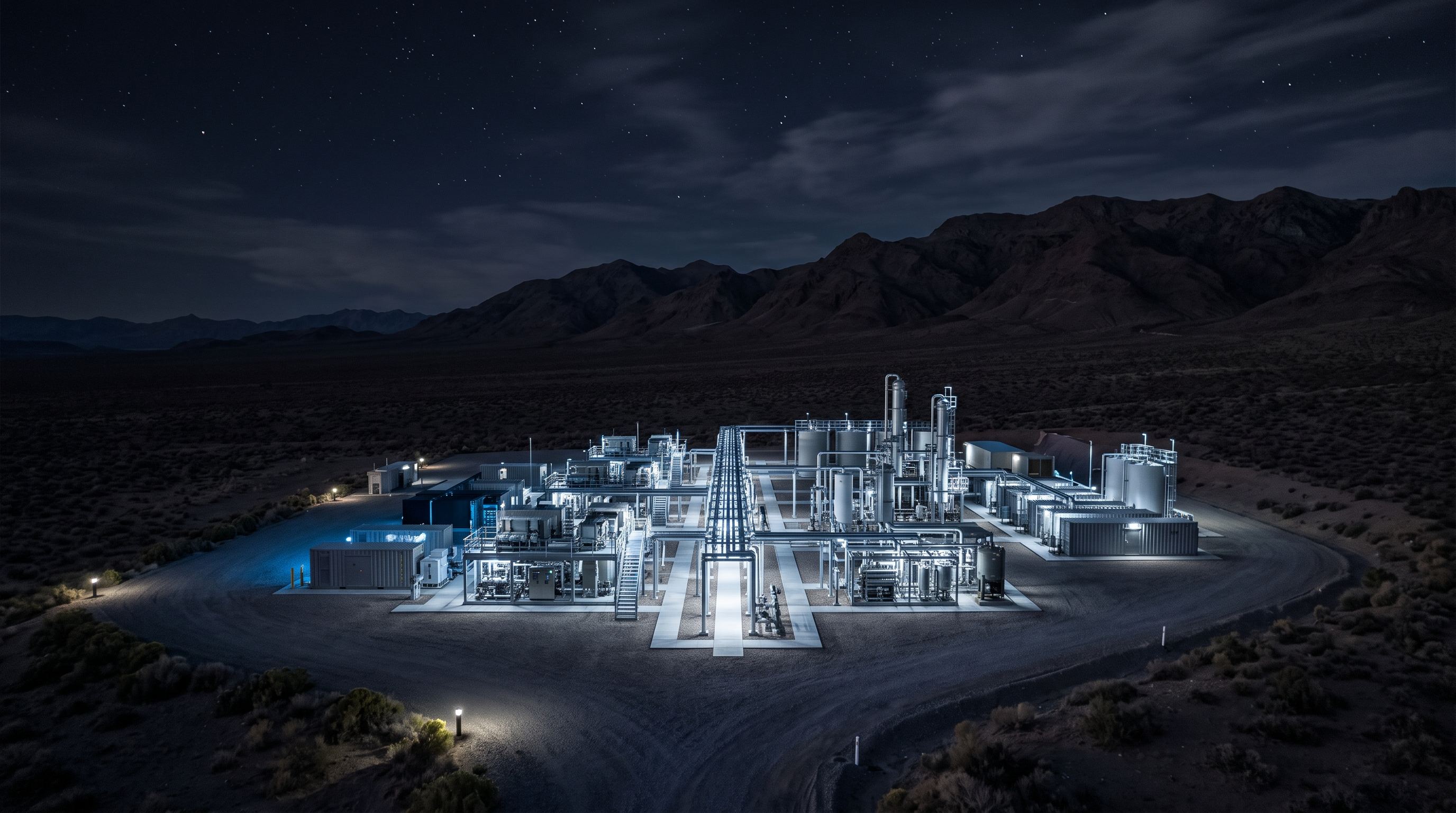
A better way to extract the most critical material of the 21st century — minimal water, no harsh effluents, zero grid reliance.
Learn MoreBut not with current methods.
The transition to electric vehicles, renewable energy, and data-driven infrastructure is heavily reliant on one material more than any other — lithium. The way the world extracts lithium today is outdated, inefficient, expensive, and more environmentally destructive than it needs to be.
Lithium demand is forecast to triple by 2030, driven by EVs, grid storage, and energy demand to support AI-scale infrastructure. The vast majority of lithium processing occurs outside the USA — mostly in China.
The U.S. currently imports over 70% of its lithium, including more than 95% of lithium carbonate in 2024, exposing dependencies on critical supply chains to geopolitical and logistical risks.
Traditional brine evaporation takes 12–24 months, consumes enormous quantities of water and reagents, and leaves behind toxic waste. Hard rock mining is capex-heavy, power-intensive, and often economically marginal.
A continuous-flow process engineered for real-world resources — not lab conditions. Purpose-built to reduce water, power, and effluents to a fraction of legacy techniques.
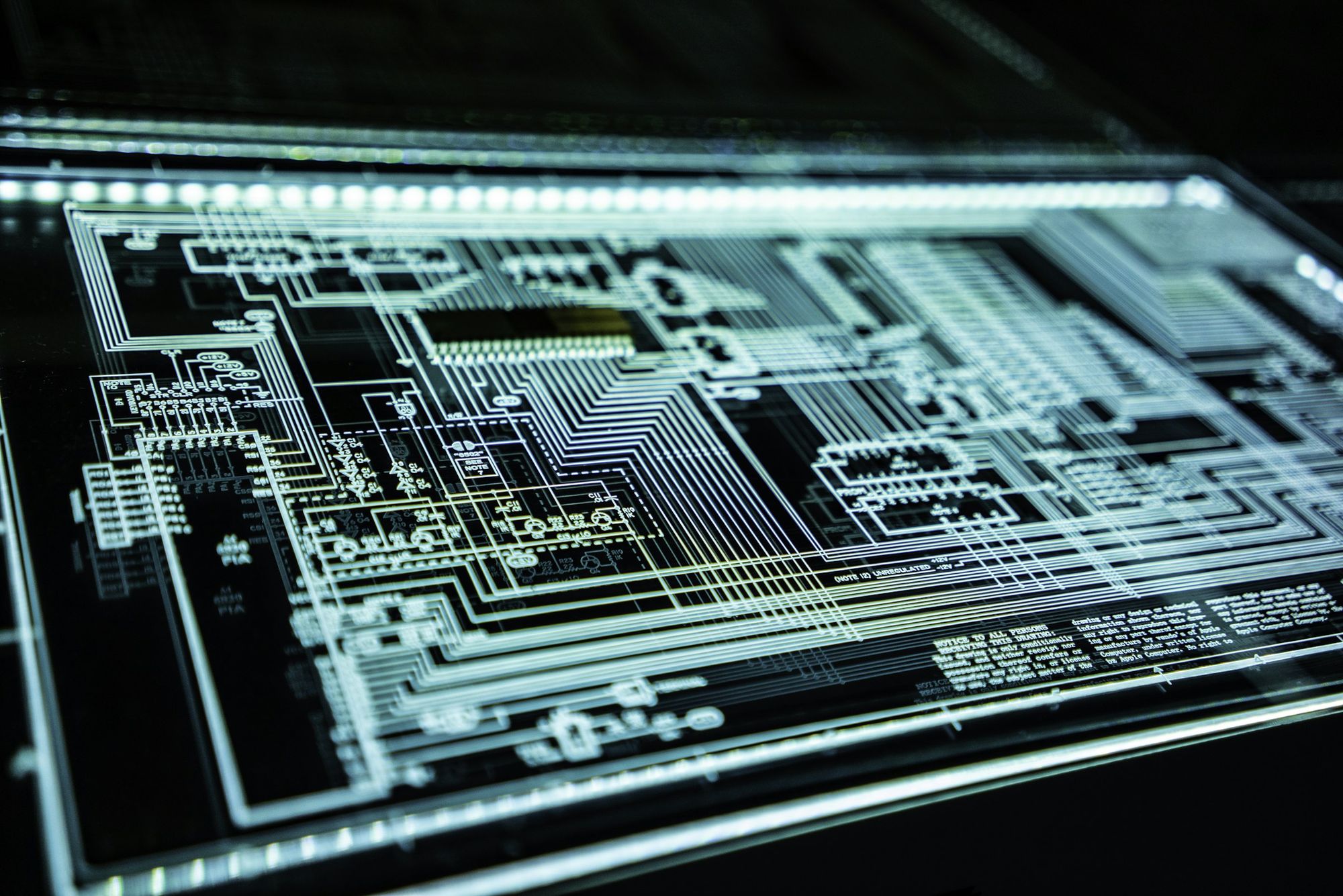
Fig. 1 — DLE 2.0 continuous-flow schematic
Uses a fraction of the water of even the most advanced DLE 1.0 methodologies, critical for brine operations in arid regions.
Low power usage enables off-grid, self-contained system deployment, perfect for remote locations or wastepile sources.
NexGen's DLE 2.0 methodology is unique in being a continuous flow process that does not require swapping out batches.
Where others can't go, at costs they can't match. With minimal infrastructure, no reagents, and low energy input, our process achieves breakeven at under $6,000 per ton — making lithium recovery viable in regions and resource types that current technologies can't touch.
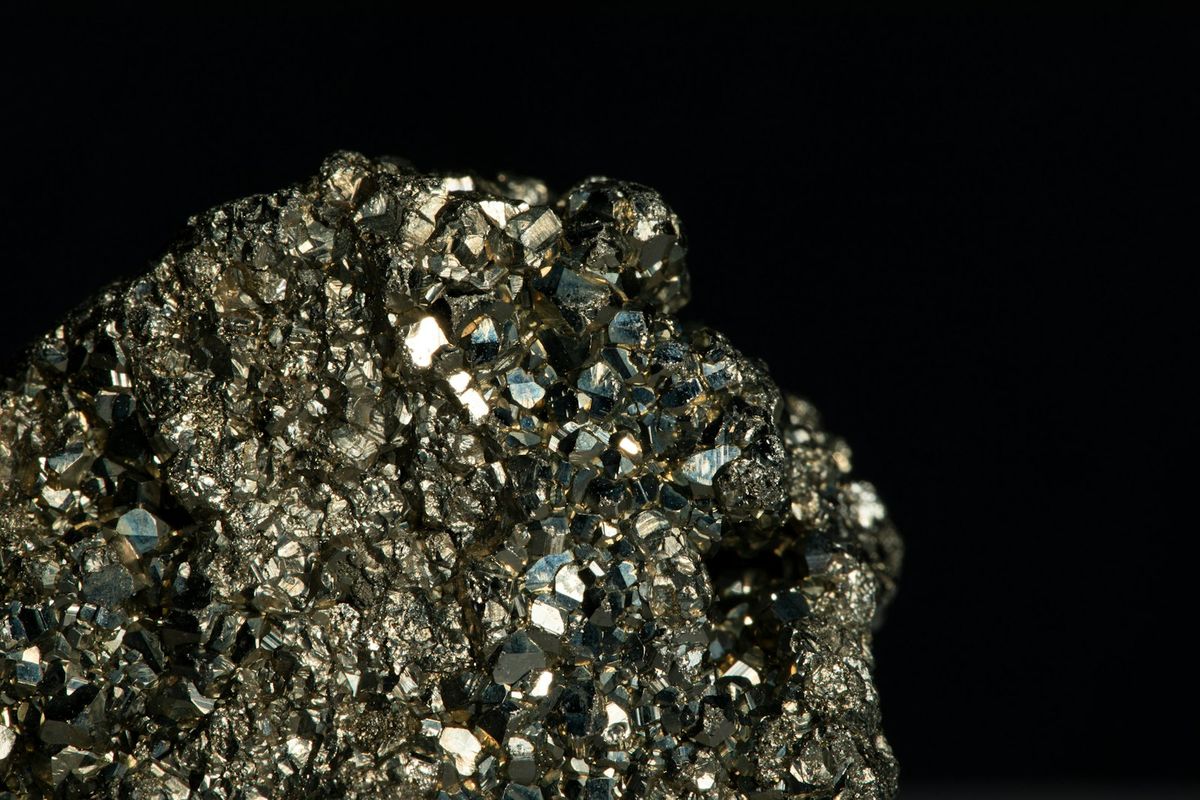 Lithium-bearing ore
Unlocks rich lithium trapped in deposits previously deemed too expensive to economically and eco-ethically process.
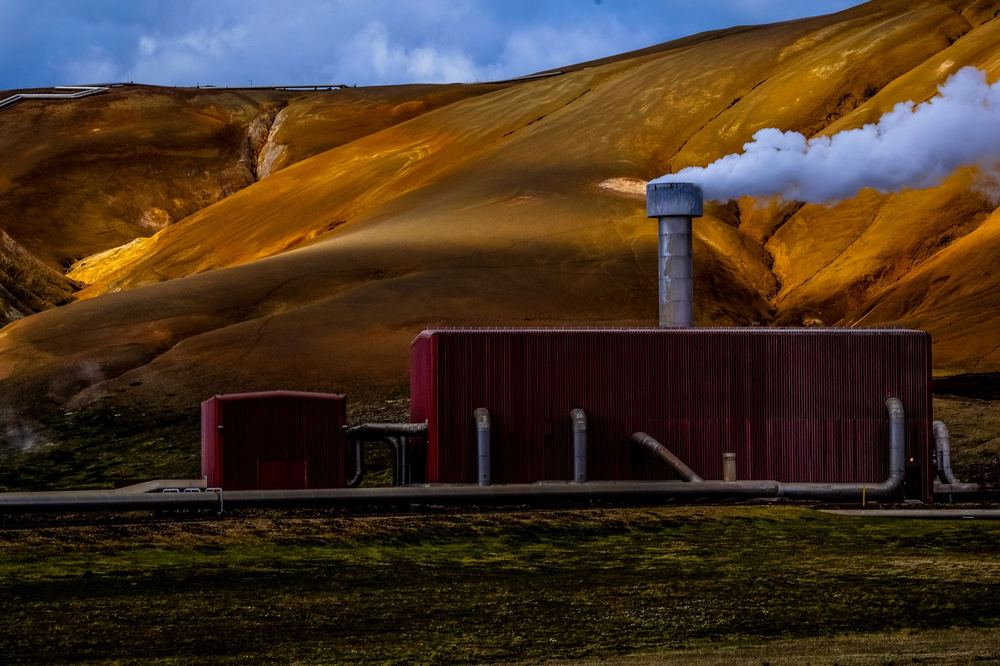
Engineered for high-temperature and chemically complex resources that have defeated other DLE 1.0 methodologies.
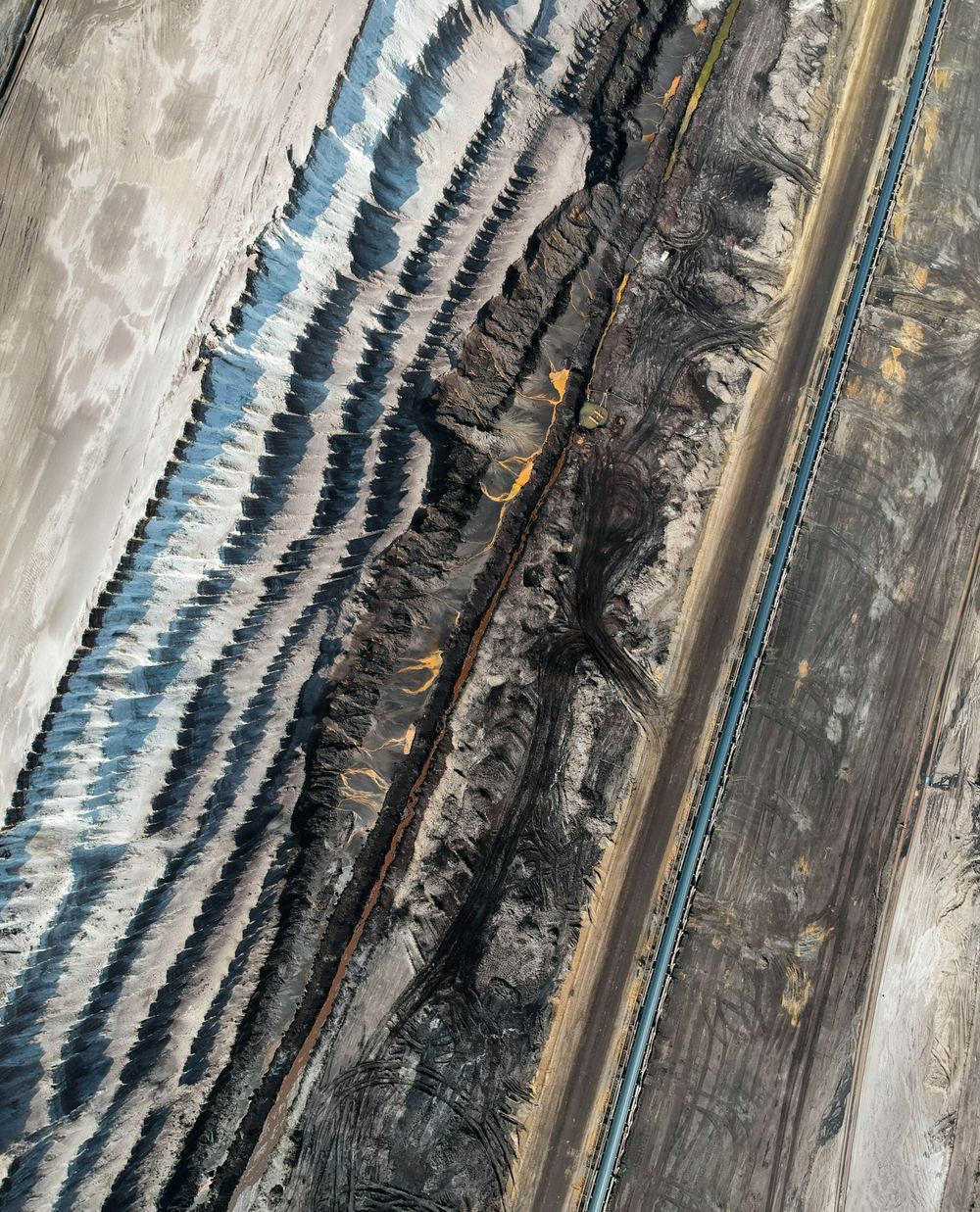
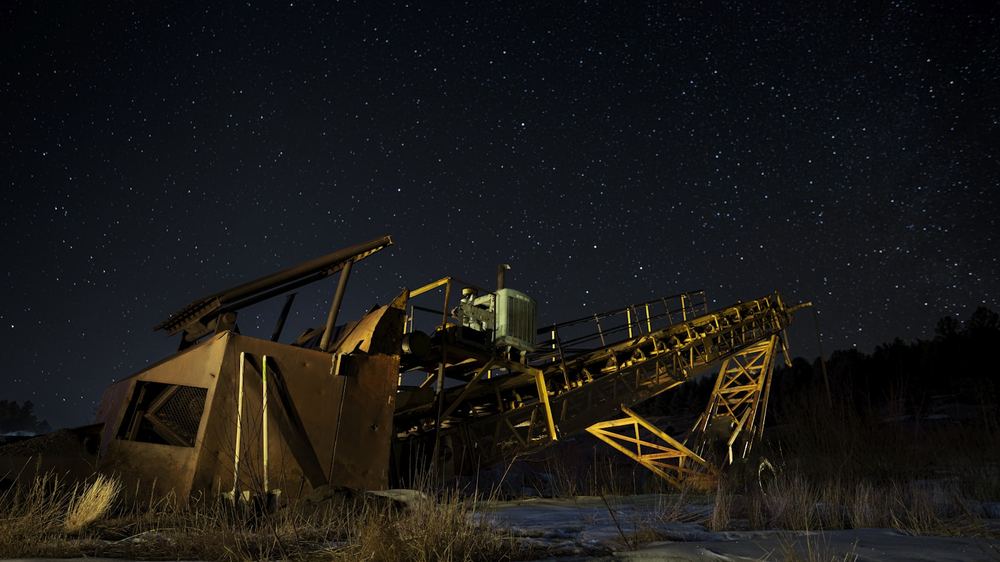
Recovers lithium from discarded material, turning waste into usable resource. Transportable systems allow for temporary use.
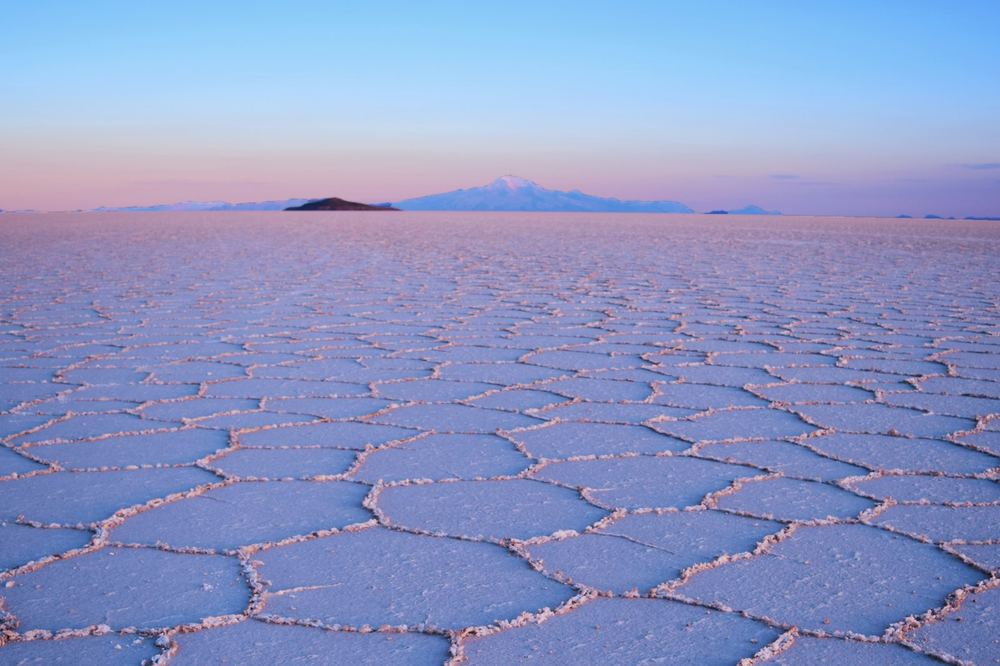
Adds value whether used as the end-to-end solution, or to pre-treat other DLE technologies that need process assistance.
Lithium demand is projected to exceed 3 million tons of LCE annually by 2030, up from under 1 million tons in 2023. To meet targets, over 300 new lithium projects will need to come online in the next 5–7 years. Governments and automakers are responding with unprecedented investment to shift to domestic supply chains.
The U.S. Department of Energy has earmarked over $20B for battery supply chain initiatives.
IRA tax credits and loan guarantees have jumpstarted dozens of domestic lithium projects.
Major automakers, including GM, Ford, and Stellantis, have committed over $100B collectively to secure battery materials and production capacity.
Whether you're an operator, an investor, or a policy partner — tell us about your project and we'll respond within two business days.
Every inquiry is reviewed by a partner. Expect a response within two business days.
Thanks for reaching out — a NexGen partner will respond within two business days.